
Moving Beyond Single Use
Moving from a disposable vape to a reusable setup changes what gets replaced. The rechargeable battery stays in service, while users refill a pod or tank, or replace a liquid-holding component when it is empty or worn. A refillable pod device is one option, and guidance on refilling disposable vapes advises against opening and refilling a disposable.
Refillable formats can give users more choice of bottled e-liquid and replacement parts. That choice comes with practical responsibilities: check that liquids and components suit the exact device, follow its instructions, and keep it clean and charged safely. A reusable device is not automatically simpler or cheaper, since ongoing consumables and routine care matter.
These alternatives still involve vaping and are not risk-free. Anyone considering a switch should weigh both the product and the upkeep it requires. People who want to stop using nicotine can seek evidence-based help from a health professional or an established quit-support service.
Reusable Options to Consider
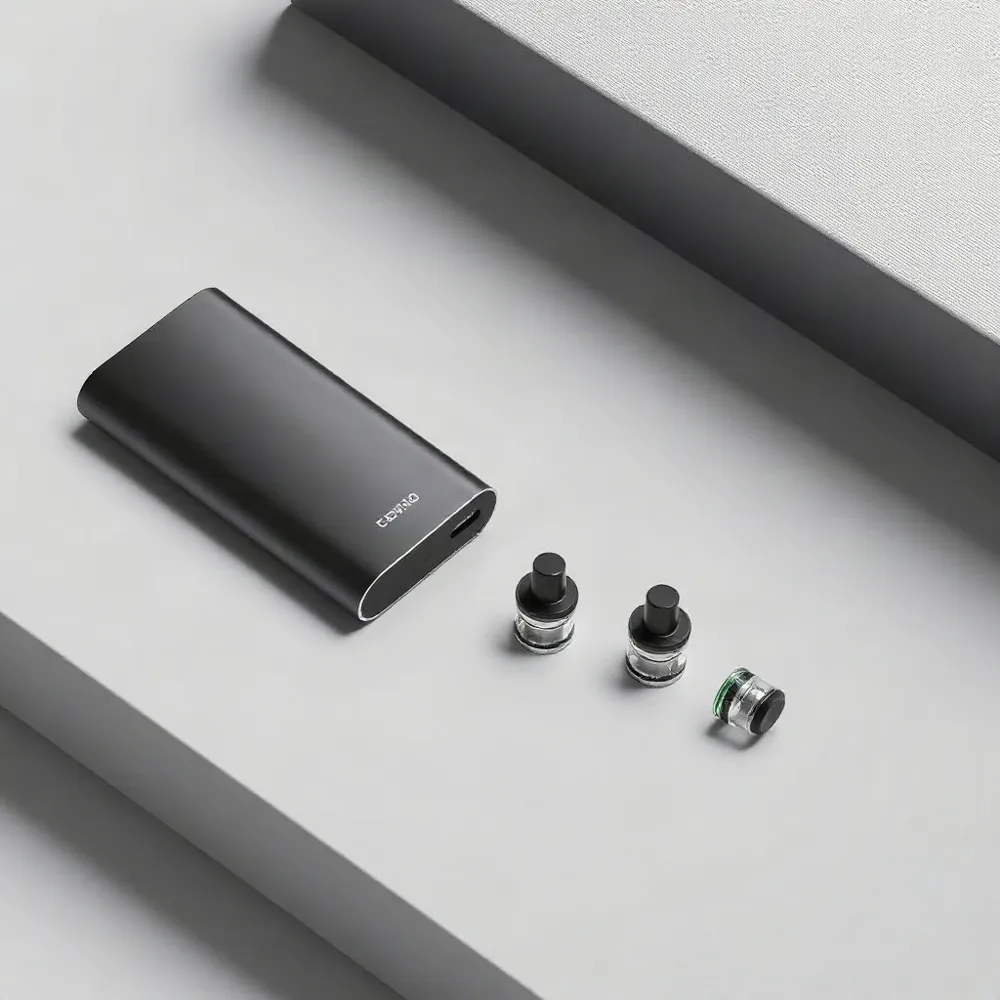
For people looking for alternatives to disposable vapes, reusable pod systems and tank-based kits are two common formats. Both keep a rechargeable battery in use while the e-liquid and other replaceable parts are refilled or changed.
Open pods and sealed pods
Open-pod systems take compatible bottled e-liquid. Depending on the model, the coil is either replaced separately or built into a pod that is replaced when worn. Refillable tanks work on a similar principle, holding liquid that feeds a coil.
Sealed, prefilled pods are a simpler option for people who do not want to pour liquid. Replace the whole pod when it is empty, and do not open or top it up. Refillable devices offer more choice over bottled e-liquid, but require checking that the liquid and replacement parts suit the specific device.
Keeping the battery and replacing only liquid, pods, or coils can mean less whole-device waste than discarding a complete vape each time. The actual amount of waste and total cost depend on how often parts are replaced and how the device is used.
Options for quitting nicotine
Reusable vapes still involve vaping and may contain addictive nicotine. If your aim is to quit nicotine, consider counseling, a quitline, or FDA-approved nicotine-replacement products, and ask a healthcare professional which options may suit you. Sugar-free gum, a breathing necklace, or paced-breathing exercises may help with the hand-to-mouth habit. Flavored-air devices are also available, but their benefit for cravings is uncertain.
How Refillable Devices Work
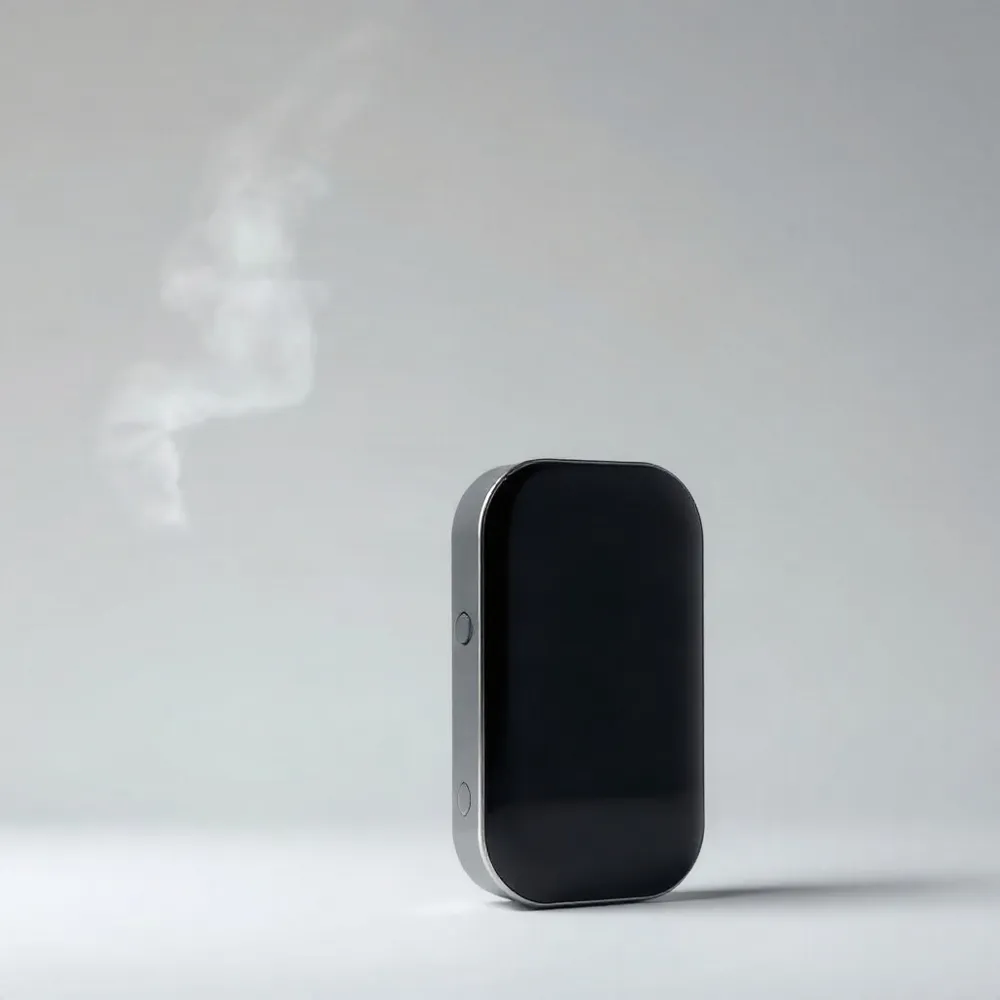
A refillable vape uses a rechargeable battery to power a small heating coil. E-liquid sits in a pod or tank and moves through an absorbent wick, which supplies the liquid to the coil. When heated, the liquid forms an aerosol that the user inhales.
The pod or tank holds the e-liquid, while the battery and control electronics are housed in the device body. Depending on the model, activation happens when you inhale or press a fire button. Some devices also let you adjust wattage, which changes the power sent to the coil. Controls and filling methods vary, so check the instructions for the exact model.
The wick and coil are consumable parts. With use, they can wear down, leading to a persistent burnt taste, weaker flavor, or poorer performance. Some pods have an integrated coil and are replaced as a unit; other designs let you replace the coil separately. The Vaping360 guidance on disposable vapes advises against opening and refilling a disposable, recommending a pod vape instead.
Compatibility matters: pods, coils, and e-liquids are not interchangeable across every device. Use components and liquid suited to the model, and follow its filling, priming, and operating instructions. This helps prevent poor performance and avoids forcing incompatible parts into place.
Choosing a Disposable-Like Experience
If simplicity matters most, look for a compact pod system that activates when you inhale and has few or no buttons or settings. Auto-draw models can feel familiar to disposable users, but features differ by device. Some alternatives also use USB Type-C charging, and not every kit includes a charging cable, so check what comes in the box.
A mouth-to-lung device with a tighter draw may feel more familiar to some people than a looser, airy style. If you want a similar throat sensation, check whether the exact device supports nicotine-salt e-liquid. Compatibility depends on the manufacturer’s specifications, so do not assume that a liquid or pod will work just because it fits physically.
A built-in rechargeable battery paired with an easy-to-fill or replaceable pod can keep daily use straightforward. Before choosing, check that compatible pods and liquids are easy to find where you live, and follow the maker’s filling and use instructions.
Nicotine is addictive, so choose an appropriate strength and keep the device and e-liquids away from children and pets. Confirm compatibility for the exact model before buying replacement pods or liquid, and do not force components that seem similar but are not specified for your device.
Refill and Liquid Basics
A careful first refill helps prevent leaks and gives a new wick time to absorb e-liquid. Check the device manual before opening anything: refill ports, caps, and compatible liquids vary by model. Refill only a pod or tank designed for it, and do not force parts open.
How do you refill a vape pod or tank for the first time?
Switch the device off, then open only the designated refill port. Add liquid slowly, keeping it out of the central airflow tube and leaving space at the top instead of filling to the brim. Close the port or cap securely, wipe away spills, and seat the pod or tank correctly.
If the coil or pod is new, let it sit for the period specified in the manual so the wick can absorb the liquid before heating. Waiting times differ by device, so follow its instructions rather than assuming one standard interval. For a sealed pod that is not designed to be refilled, use a compatible replacement instead.
What can you use to refill a vape?
Use vape-specific e-liquid, also called e-juice. It typically contains propylene glycol (PG), vegetable glycerin (VG), flavorings, and sometimes nicotine. Never substitute water, oils, or household liquids, which are not intended for the device.
Check the manual or coil specifications for a suitable PG/VG ratio. Compatibility depends on the device and its components, and coil resistance alone does not establish which liquid is suitable. Use sealed products from reputable sellers, and keep bottles secured away from children and pets. Nicotine liquid can be harmful if swallowed or absorbed through the skin, so wipe spills promptly and avoid skin contact.
Costs Across the Full Setup
A refillable vape usually costs more to buy at the outset than a disposable. After that, spending shifts to bottled e-liquid and replacement parts, such as coils, pods, or tanks. The exact mix depends on the device: some pods have built-in coils and must be replaced as a unit, while other designs let you change the coil alone.
For regular users, keeping the rechargeable device and replacing only its consumables can cost less over time than repeatedly buying complete disposables. But there is no universal break-even point. Total costs depend on how often you vape, how long parts last, and the prices of the device, liquid, and compatible replacements.
Are refillable vapes cheaper than disposable vapes over time?
They can be, especially when use is frequent, but compare the full setup rather than the first purchase price. Check which pods or coils fit the model, how much e-liquid you expect to use, and what those items cost locally. Parts that look alike are not always compatible, so confirm the exact model before buying replacements.
Disposables may still suit occasional users or people who value convenience and do not want to refill or replace parts. A refillable system trades that simplicity for ongoing upkeep and more choice over e-liquid. To avoid paying for features or consumables you will not use, estimate your likely recurring costs before choosing.
Cleaning and Routine Care
Cleaning needs vary by device, so use the manufacturer’s manual as the authority rather than following a fixed schedule or applying advice meant for another model. Inspect the device regularly and clean when you notice residue, condensation, or dirt.
How do you clean a refillable vape?
Switch the device off and disconnect it from charging before removing the pod or tank, if the design allows. Keep water away from the battery, electronics, and charging port. Wipe the exterior and pod contacts with a clean, dry cloth, taking care not to push moisture into openings.
Check the mouthpiece, airflow openings, contacts, seals, and device body for buildup, leaks, wear, or damage. If the manual permits rinsing removable, non-electronic parts, rinse only those parts and let them dry completely before reassembly. Do not rinse the battery section, and do not reinstall damp components.
Coils and wicks usually should not be washed unless the manufacturer specifically instructs you to do so. Replace a worn coil or pod when performance remains poor after basic checks, or when a part is damaged. If leaking continues, stop using the affected pod or tank and check the manual for model-specific guidance. A clean, dry device and careful inspection can help catch problems, but cleaning cannot make a damaged component safe to use.
Recognizing Worn Pods and Coils
A pod’s lifespan depends on its design and how it is used. If the coil is built into the pod, the whole pod is usually replaced when the coil wears out. If the coil is replaceable, an undamaged pod may remain usable through multiple refills.
Coils are sometimes estimated to last about one to two weeks, but that is only a rough guide, not a replacement schedule. Use frequency, e-liquid, and device settings can all affect how long a coil lasts. Watch for changes in performance instead of relying on a calendar.
How long does a refillable vape pod typically last?
A persistent burnt taste, muted flavor, reduced vapor, or poor performance after basic checks can signal a worn coil. Cracks, visible damage, or leaks that continue after checking assembly and seals may mean the pod needs replacing. Stop using a damaged or persistently leaking pod, and follow the device maker’s troubleshooting instructions.
When installing a replaceable coil, prime it as directed by the manufacturer so its wick can absorb e-liquid before heating. The steps and waiting time vary by coil and device, so follow the exact instructions rather than assuming one method fits all.
Check that replacement coils and pods are made for the exact device model. Similar-looking parts may have different fittings or electrical contacts, so never force a component into place.
Risks and Battery Safety
Refillable vapes are not risk-free and should not be presented as safe, especially for people who do not already use tobacco or nicotine. Their risks include effects from nicotine and aerosol, as well as hazards linked to e-liquid handling and rechargeable batteries.
Are refillable vapes safe?
Vape aerosol can contain nicotine and other harmful substances. Nicotine is addictive and may affect brain development in adolescents and young adults. The long-term health effects of vaping remain under study, and risks vary with the device, liquid, and pattern of use. Anyone considering vaping to quit smoking can discuss options with a healthcare professional.
Leaking e-liquid can expose people through swallowing or skin contact, creating a risk of accidental nicotine poisoning. Keep devices and liquids securely away from children and pets, and follow the product instructions for handling and storage. Do not use a leaking pod or tank if the leak continues after checking its assembly.
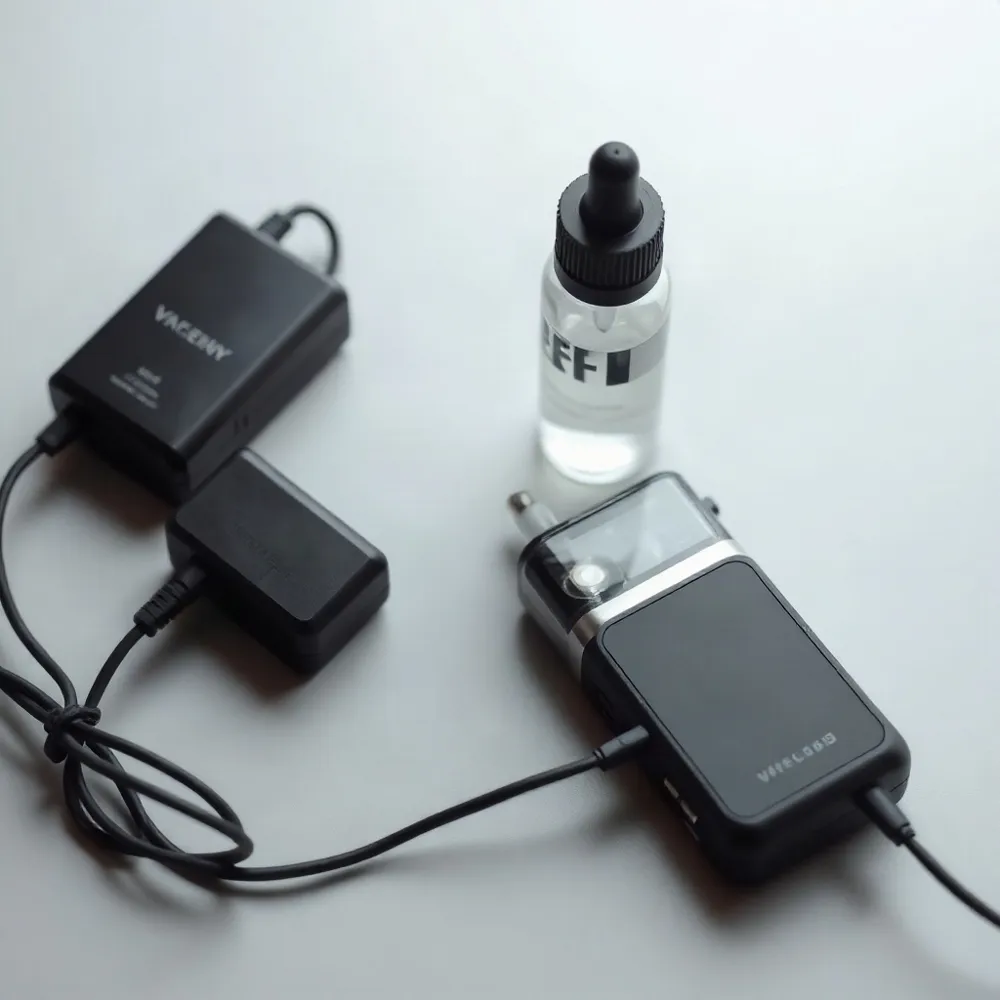
Damaged or poorly handled batteries can cause burns or fires. Use only charging equipment recommended by the device maker. Charge on a clean, flat, visible surface, away from flammable materials, and keep the device away from extreme heat, water, and direct sunlight.
Stop using or charging a device if it becomes abnormally hot, swells, is physically damaged, smells unusual, or has damaged charging equipment. Do not try to repair a sealed lithium-ion battery. Contact the manufacturer for guidance.
Making the Switch Deliberately
A suitable reusable vape depends on what you want from the routine, not just the device itself. Bottled e-liquid gives you more choice, while prefilled pods simplify refills. Consider whether you are comfortable filling a pod and replacing a coil, or would rather replace the whole pod when it is empty.
Before buying, check that compatible pods, coils, and e-liquid are available for the exact model. Similar-looking parts may not fit or work together, so follow the device maker’s compatibility guidance.
A reusable device still needs routine care and ongoing purchases, such as liquid and replacement pods or coils. Its actual cost and convenience depend on the device, consumables, and how often you use them. Choosing reusable hardware is not the same as quitting nicotine, and it should not be treated as a health benefit.
Plan for end-of-life disposal as well as daily use. Recycling options and rules vary by location, so check local arrangements for batteries and electronic devices rather than assuming one region’s guidance applies everywhere. Follow the manufacturer’s instructions for filling, cleaning, charging, and replacing parts.
Choose for Use and Upkeep
A refillable setup keeps its battery in use and gives you a choice of bottled liquids, but that flexibility comes with refilling, replacing worn parts, checking component compatibility, and routine care.
Before buying, compare the full cost of the device and its compatible pods, coils, and e-liquid, not just the initial price. Follow the exact model’s instructions for filling, cleaning, and charging, and store the device and liquid securely away from children and pets. Charge on a clear, stable surface, away from heat and flammable materials.
Vaping carries health risks and is not risk-free. If you want to stop using nicotine, ask a healthcare professional or quitline about evidence-based support rather than treating a reusable device as a quitting method.