
Start With the Device
Choosing e-liquid starts with the device, not just the flavor. A liquid that suits one vape may be too thick, too strong, or otherwise poorly matched to another. Treat compatibility as the first check, then choose a flavor you enjoy.
Look at the coil resistance and its recommended wattage range, then consider the liquid’s PG/VG ratio, nicotine type, and strength. These factors work together: coil design and power affect how liquid reaches the heating surface, while PG/VG balance affects how readily it flows. A mismatch can lead to poor wicking or an unpleasant vape.
Start with the device maker’s instructions, since general pairings are not universal. For example, a small pod’s narrow wicking paths may not handle thick, high-VG liquid as well as a device designed for higher power. Matching the liquid to the coil and settings helps it wick and perform as intended, while giving you a sound basis for choosing nicotine and flavor.
E-Liquid Names and What Matters
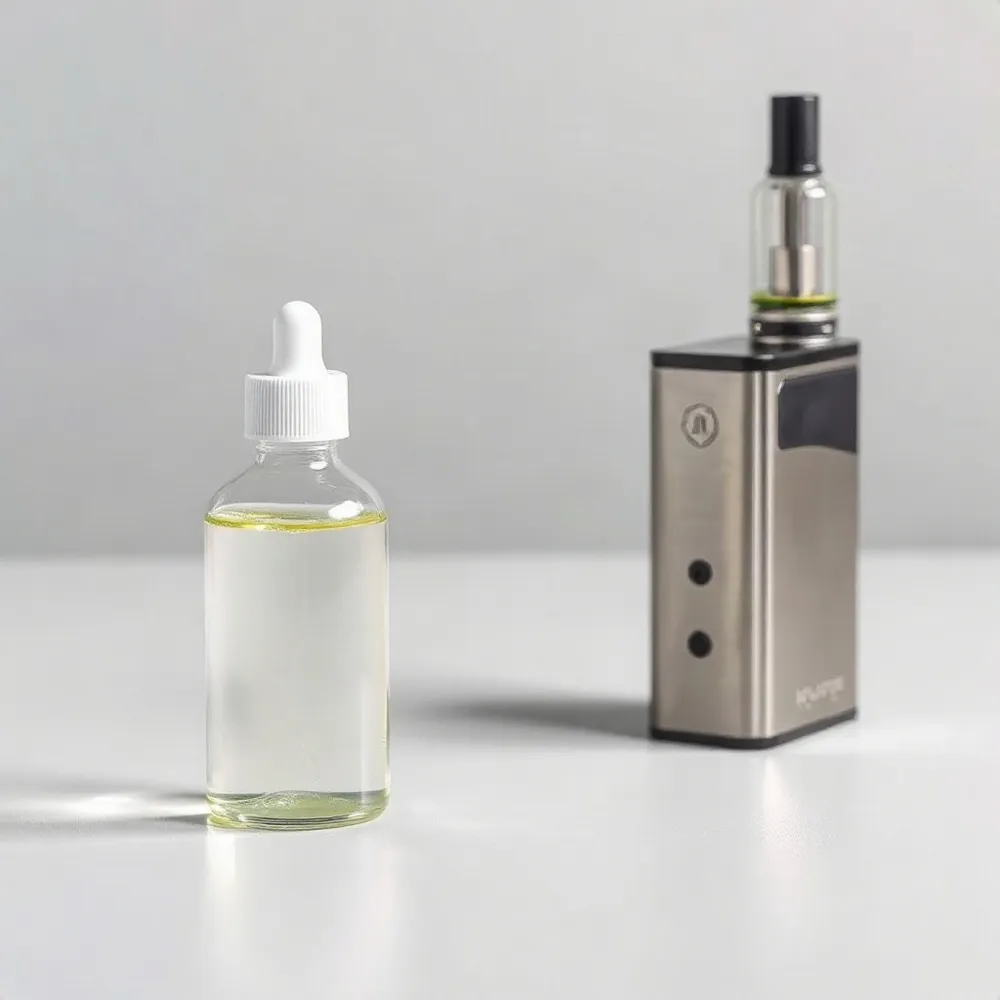
Is there a difference between e-liquid and vape juice?
No. “E-liquid,” “vape juice,” and “e-juice” are interchangeable names for the liquid used in a vaping device. A brand or retailer may favor one term, but the name alone does not indicate a different product.
To check whether a liquid suits your device, look beyond the label. Review its ingredients, nicotine type and strength, and the ratio of propylene glycol (PG) to vegetable glycerine (VG). These properties affect how the liquid flows through a coil and how it performs, so compare them with the device and coil maker’s instructions.
E-liquids may contain nicotine or be nicotine-free. Nicotine products also vary in type and strength, so check the packaging rather than assuming that liquids with similar names are alike. The PG/VG ratio matters too: a liquid that is too thick may not wick well through a small coil, while a thinner blend may behave differently in equipment designed for thicker liquid. Treat the name as a category label, then use the product details to assess compatibility.
Choose a Ratio That Can Wick
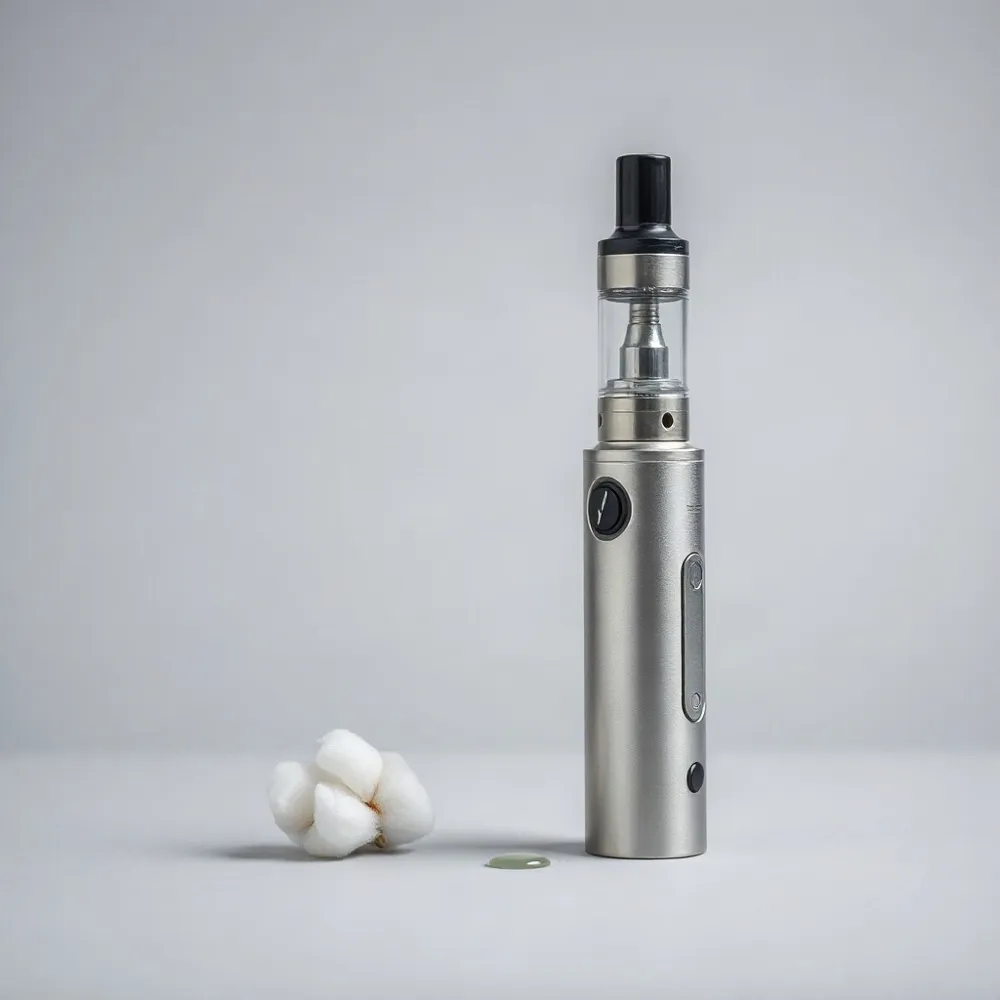
PG and VG affect more than the feel of a liquid. Their proportions also influence how readily it flows through a coil’s wick, so the right blend depends on the device as well as personal preference.
Propylene glycol (PG) is thinner, carries flavor well, and is associated with a stronger throat hit. Vegetable glycerine (VG) is thicker, tends to feel smoother, and produces denser vapor. There is no single best ratio: a liquid must suit the coil’s wicking design and the balance of flavor, throat sensation, and vapor you want.
A 50/50 blend is a practical starting point for many pod and mouth-to-lung devices. Its thinner consistency can flow more readily through small wicking ports. Sub-ohm tanks and other higher-powered devices generally handle thicker blends such as 70/30 or 80/20 VG/PG, though the coil maker’s instructions should guide the choice.
If high-VG liquid moves too slowly through a small coil, the wick may not stay saturated between puffs, which can lead to dry or burnt hits. A thinner, higher-PG liquid is usually easier for small coils to absorb. Conversely, very thin liquid in a coil designed for thicker blends may not perform as intended, so treat general ratios as starting points rather than guarantees.
Before buying, check the device or coil guidance and read the bottle’s ratio carefully. Labels may list VG first or PG first, so 70/30 can describe different blends depending on the order. Confirming the ingredients and matching them to the coil helps avoid a simple but costly mix-up.
Match Resistance and Power
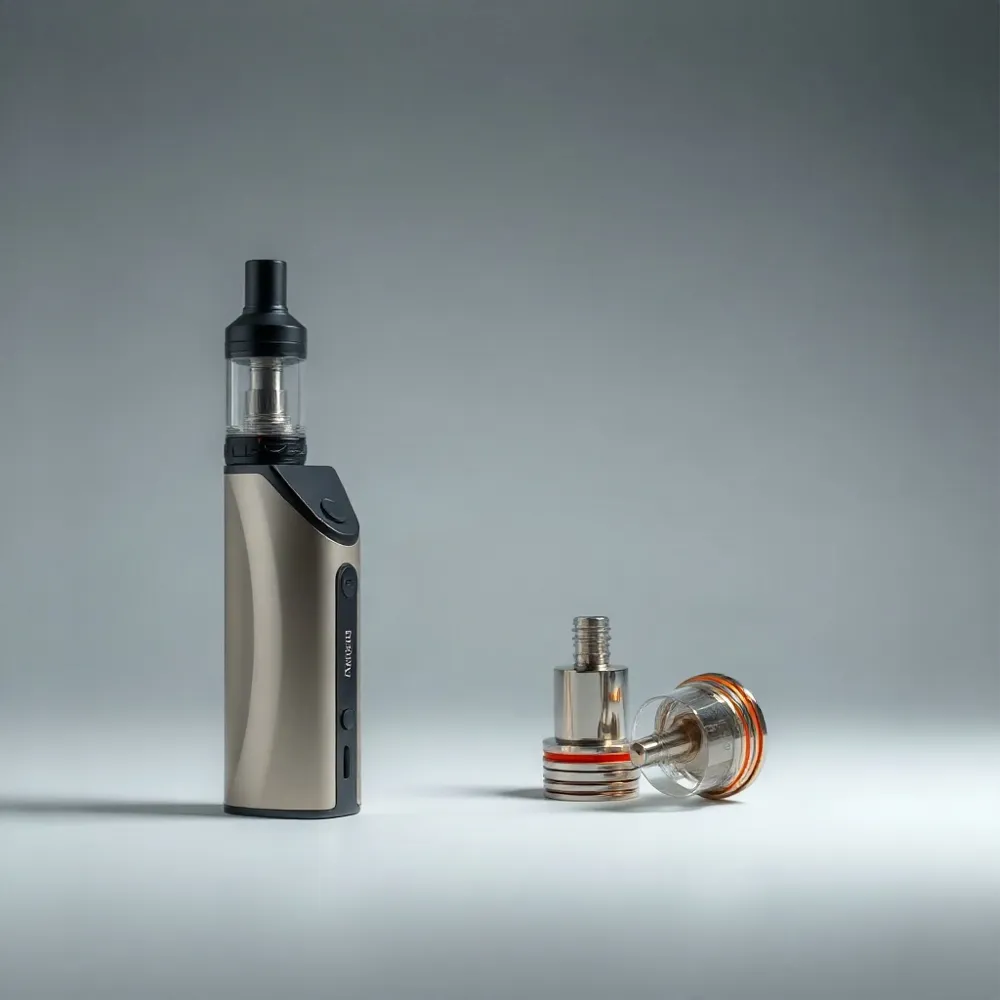
Resistance helps indicate how a coil is intended to perform, but it cannot determine liquid compatibility on its own. Lower-resistance coils generally run hotter, use more power and e-liquid, and produce more vapor. Higher-resistance coils tend to run cooler and are commonly used for lower-power mouth-to-lung vaping.
How do you choose an e-liquid that is compatible with your vape device?
Check the device or coil instructions for the supported coil types, recommended wattage, and suitable VG/PG ratio. Higher-resistance coils often pair well with thinner, balanced 50/50 liquid. Sub-ohm coils, which operate below one ohm, commonly suit thicker, high-VG liquid because their design is better able to feed it to the coil. These are general patterns, not guarantees: the device maker’s guidance takes precedence.
A liquid that is too thick for a small coil may not wick fast enough, which can lead to dry or burnt hits. A liquid that is too thin for some large sub-ohm coils may contribute to flooding, leaking, or spitback. If a device maker recommends a particular ratio, use that as your starting point rather than relying on resistance alone.
How does coil resistance affect which e-liquid you should use?
Lower-resistance coils vaporize more liquid, so nicotine strength also deserves attention. Higher-resistance mouth-to-lung setups are often paired with nicotine salts or stronger liquids, while sub-ohm setups commonly use lower-strength options. Follow the liquid and device instructions, and choose a strength that does not make the inhale uncomfortably strong.
Keep power within the wattage range printed on the coil. Start near the lower end and increase gradually, checking that the flavor and vapor remain comfortable. If performance worsens, return to the recommended settings and check that the liquid suits the coil.
Compare Common Pod Coil Options
Resistance offers a useful comparison between pod coils, but it does not set a universal rule for liquid or nicotine strength. Check the device instructions and the specific coil maker’s guidance before choosing a pod, liquid, or setting.
What is the difference between 0.6-ohm and 0.8-ohm coils, and which e-liquid works with each?
A 0.6-ohm coil often runs warmer and produces more vapor than a 0.8-ohm coil, while using more e-liquid and battery power. It may suit a looser restricted-direct-lung draw or an airier mouth-to-lung style. A 0.8-ohm coil typically gives a gentler, tighter mouth-to-lung draw with less vapor and lower consumption.
A typical 0.8-ohm pod commonly works with 50/50 e-liquid. A 0.6-ohm pod may also take 50/50, or a relatively thin, lower-VG liquid, but compatibility depends on its wicking design, settings, and airflow. Either nicotine salt or freebase liquid may work with a 0.6-ohm coil if the device supports it. Nicotine salts are also commonly paired with higher-resistance, lower-power coils, but resistance alone does not determine a suitable nicotine strength.
Should you use a 0.8-ohm or 1.2-ohm coil with nicotine-salt e-liquid?
Either coil can work with nicotine-salt liquid when the device supports that specific pod. A 1.2-ohm coil generally offers a cooler, tighter draw with less vapor; a 0.8-ohm coil often feels warmer and produces somewhat more vapor. Choose based on the draw you prefer, then confirm the liquid and settings against the device instructions. Follow applicable product guidance and local requirements for nicotine products.
Select Nicotine With Care
Nicotine strength should reflect your device as well as your current or recent smoking habits and how often you vape. Treat those personal factors as starting points, not a formula: individual needs vary.
Labels commonly show nicotine concentration in milligrams per milliliter (mg/mL) or as a percentage. For example, 20 mg/mL equals 2%. Check the label carefully so you can compare products using the same units.
Nicotine salts are commonly used in lower-power pod systems, while freebase nicotine is often paired with higher-power devices. These are general patterns, not fixed rules. Follow the specific e-liquid and device instructions, since the coil and device settings also affect how a liquid performs.
Higher-output setups can deliver more nicotine per puff because they produce more vapor, so they generally call for lower-strength liquid than lower-output devices. A strength that seems suitable in one device may feel too strong in another.
If you are switching from cigarettes, heavier smoking may suggest considering a higher strength than lighter smoking, but smoking history alone cannot determine an individual need. Start cautiously, follow the product instructions, and seek professional advice if you are unsure. Nicotine is addictive, and vaping is not risk-free.
Fill and Prime the Device Properly
Filling carefully helps prevent leaks and keeps e-liquid away from parts not designed to hold it. Turn off the vape pen first. If the tank must be removed, detach it from the battery, then open it as the device instructions show.
Pour compatible e-liquid into the designated fill port. Keep liquid out of the center airflow tube and coil opening, and stop at the maximum fill line. Close the tank securely, wipe away spills, and reattach it without overtightening.
How do you fill a vape pen with e-liquid?
Use the device’s manual to identify the correct fill port and opening method, since tank designs differ. A sealed disposable vape is not intended to be refilled, so do not open or add liquid to it.
A new coil, or one whose wick has dried out, needs time for e-liquid to soak into its cotton before use. The guidance ranges from about five minutes to at least five to ten minutes; follow the coil or device maker’s instructions when available.
After soaking, begin at the low end of the coil’s recommended wattage range and increase gradually only if needed. Firing a coil before its wick is saturated, or using too much power, can cause a burnt taste and may shorten coil life.
Keep Flavor and Coil Performance Consistent
Flavor can fade when a coil is worn or not receiving liquid properly. A burnt taste may point to excessive power, poorly saturated cotton, restricted wicking, or a coil that needs replacement. Check that the pod or tank has enough liquid, review the coil’s recommended settings, and confirm a new coil was primed before use.
Sweet e-liquids can leave residue on a coil and may shorten its useful life. Fading flavor, reduced vapor, or gurgling can also signal that the coil needs attention. Follow the device maker’s care instructions when cleaning tank parts, and replace the coil if cleaning and correct settings do not resolve the problem.
A substantial change in VG/PG ratio can alter how quickly liquid reaches the coil. Before switching, empty the pod or tank, clean and dry its reusable parts, and consider fitting a fresh coil. This can limit flavor carryover while giving the new liquid a clean start.
Store e-liquid in a cool, dark place away from heat and sunlight. To explore flavors, try small quantities and note each one’s profile and intensity. Those notes can help guide future choices, but the liquid still needs to suit the device and coil.
Let Compatibility Lead
Choose e-liquid by working from the device and coil specifications, not from a universal pairing chart. The coil’s recommended wattage, the device’s supported coil range, and its wicking design all affect which liquid ratio can feed it properly.
Nicotine type and strength should also fit the setup and your needs. A low-power pod and a higher-power device may call for different choices, so do not assume that a liquid suitable for one will work equally well in another.
Before filling, check the device manual and the coil maker’s instructions. Use a compatible liquid, prime a new coil, and begin within the stated settings. If you change the liquid or adjust power, do so cautiously and watch for signs of poor wicking or an unpleasant taste.
The practical rule is simple: let the specific device guide each choice. General recommendations can help narrow the options, but the manufacturer’s guidance takes precedence.